The Seven Apocalyptical Churches II
Duration
7 Days 6NightsTour Type
Religious RoutesLocation
TURKEYInclude / Exclude
- Accommodations
- Meals (as per itinerary)
- Transportation
- Professional Guide
- Entrance Fees
- International Airfare
- Travel Insurance
- Personal Expenses
- Optional Activities
- Tips & Gratuities
Tour Plan
Welcome to Istanbul. Upon arrival at Istanbul’s airport, transfer to the hotel with assistance. Check in, and time to relax.
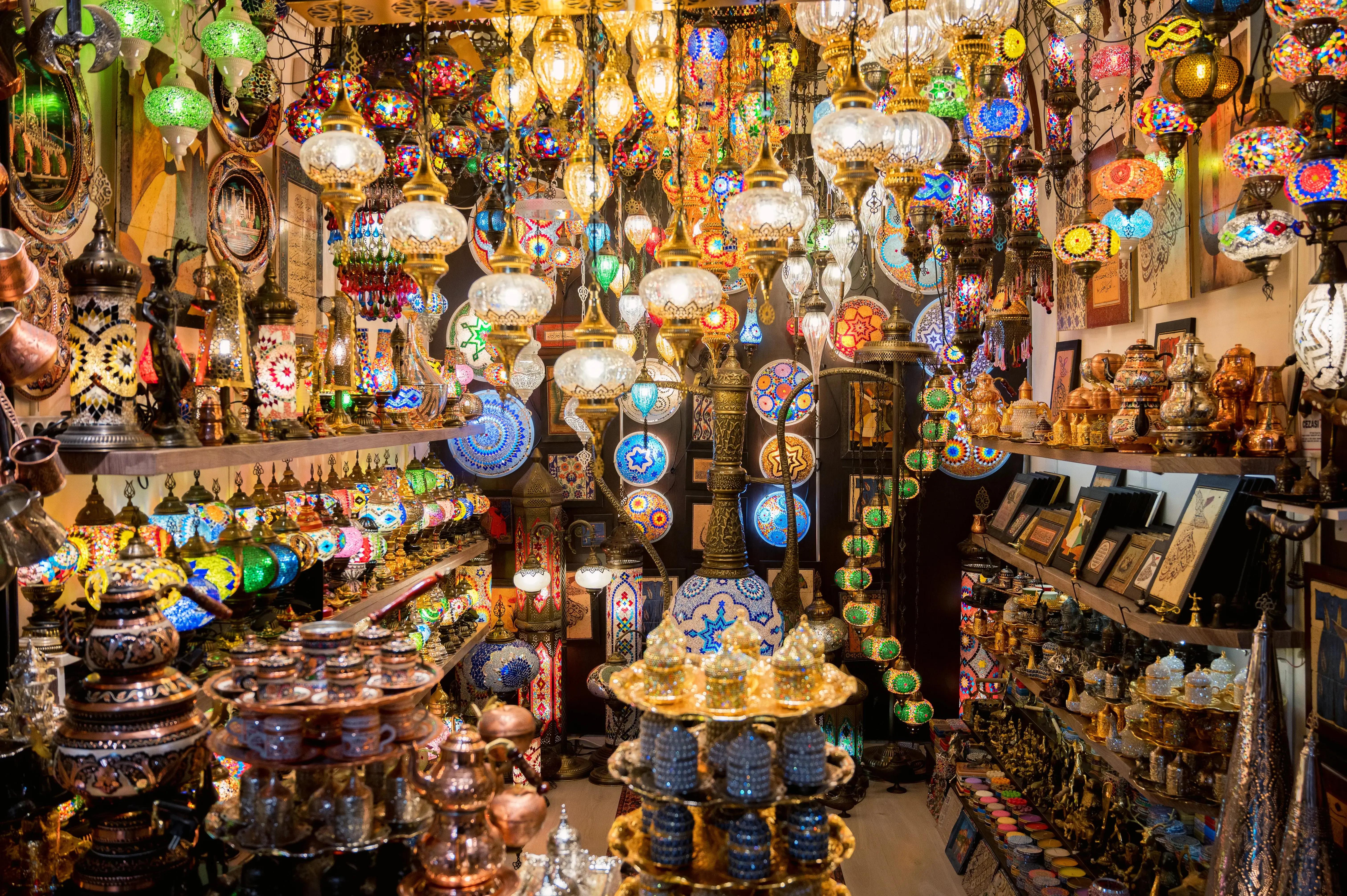
After breakfast, full day tour at the Old City. The Old City of Istanbul, also known as Sultanahmet, stands as a living testament to the city's rich history and cultural heritage. Encompassing a mesmerizing blend of Byzantine, Roman, and Ottoman influences, this historic district is a treasure trove of iconic landmarks and architectural marvels. Dominated by the majestic Hagia Sophia, a former cathedral turned mosque turned museum, and the stunning Blue Mosque with its intricate tile work and grand domes, the Old City is a canvas painted with centuries of civilization. Wandering through its labyrinthine streets, one encounters the Hippodrome, an ancient chariot racing arena, the sprawling Topkapi Palace that once housed Ottoman sultans, where Visitors can explore the intricate design of the Imperial Council Chamber, and witness the opulence of the Treasury showcasing priceless treasures. Every corner holds tales of conquests, empires, and the fusion of cultures, making the Old City of Istanbul a captivating destination that preserves the soul of the city's illustrious past. After completing the visits, the last stop will be the Grand Bazaar. Dating back to the 15th century, this iconic bazaar features over 4,000 shops spread across a maze-like network of alleys and courtyards. It's a vibrant hub where artisans and merchants sell a diverse array of goods. Finally, transfer to the hotel. Accommodation in Istanbul. Meals: Breakfast
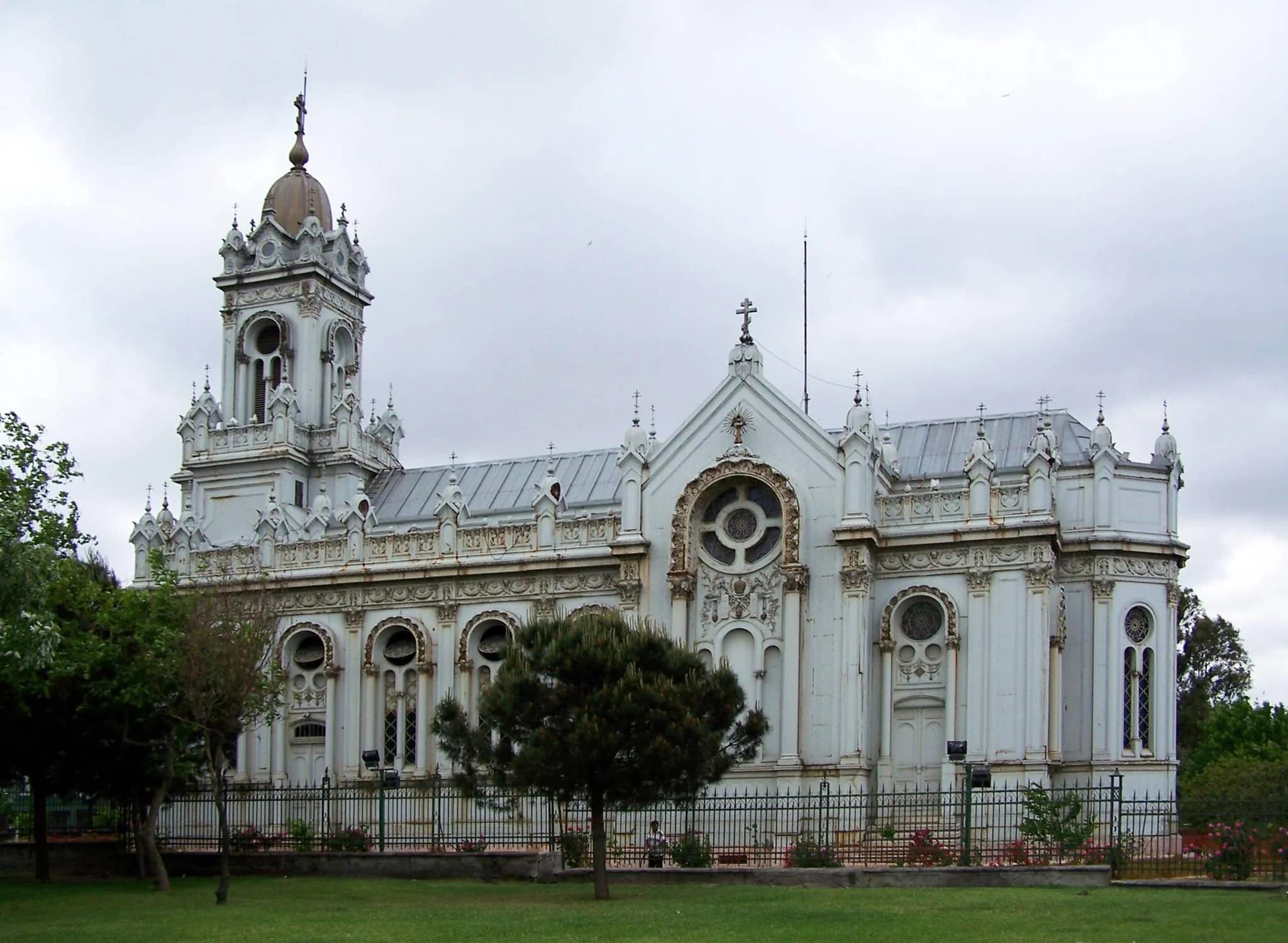
After breakfast, full day city tour. First visit is to Sveti Stefan Church, also known as the Bulgarian St. Stephen Church, is an Orthodox church. It is renowned for its architectural beauty and historical significance. The church was built in the late 19th century and served as the Bulgarian Orthodox Exarchate's main church during the Ottoman Empire. The architectural style of the Sveti Stefan Church reflects elements of the Neo-Byzantine style, featuring a distinctive red-brick facade and ornate interior decorations. It stands as a testament to the cultural and religious heritage of the Bulgarian community in Istanbul. Next visit is to The Orthodox Ecumenical Patriarchate, commonly known as the Ecumenical Patriarchate of Constantinople, is the highest institution in the Eastern Orthodox Church. The Ecumenical Patriarchate has its historical roots in the early Christian Church and is considered one of the oldest and most prominent patriarchates within Orthodoxy. Next visit is to Süleymaniye Mosque, one of the most magnificent and significant landmarks in Istanbul. Designed by the renowned Ottoman architect Mimar Sinan, this mosque was completed in the 16th century, around 1557. Visit to the Egyptian Bazaar (Species Market), followed by a visit to the Istiklal pedestrian street and the possibility of attending mass in the Church of Saint Antonio. Finally, transfer to the hotel and accommodation. Meals: Breakfast
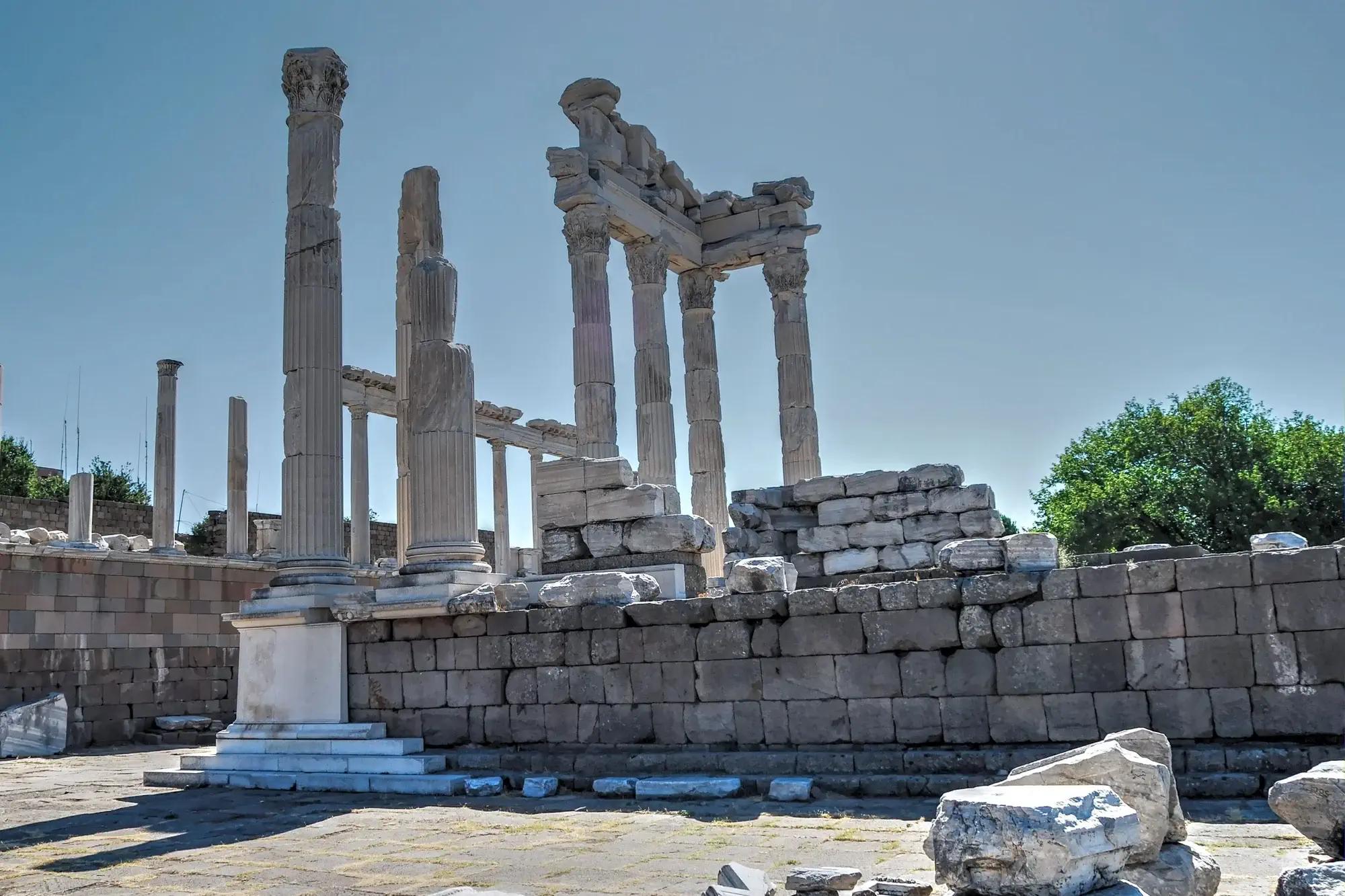
After breakfast departure for Istanbul airport, to take a flight to Izmir. First visit is to Pergamon, one of the earliest known places where parchment was used, during the Hellenistic period. The city's library had an important role in the development of parchment, which eventually led to the term "parchment" being derived from "pergamenum." Visit to Acropolis, the steepest grand theater in the World. The Temple of Trajan, Athena and the Great Altar of Pergamon will be seen here. Visit to Red Basilica, an impressive structure believed to have been a temple dedicated to Egyptian gods. The last visit of the day is to Asclepion, an ancient healing center dedicated to Asclepius, the Greek god of healing. It was a prominent site for medicine, holistic treatments, and the pursuit of medical knowledge in the ancient World. Finally, transfer to the hotel in Izmir, dinner and accommodation. Meals: Breakfast, Dinner
After breakfast, visit to the Izmir Agora, also known as the Smyrna Agora, was a central public space in ancient Greek cities used as a marketplace and a gathering area for civic, social, and commercial activities. Departure for Sardis, the capital of the ancient kingdom of Lydia and later became an important city in the Persian Empire and the Roman period. The city had notable landmarks such as the Temple of Artemis, a gymnasium, a synagogue, and a large Roman bath complex. Sardis is historically significant for being one of the first places where standardized gold coins, known as "Croesids," were minted. Last visit is to Philadelphia, founded in the 2nd century BC, notable for its historical significance as one of the Seven Churches of Revelation. After visiting The Church of Saint John, transfer to Laodikeia, founded by Seleucus I Nicator, one of Alexander the Great's generals, in the 3rd century BC. This city had one of the seven churches of the Apocalypsis. Finally, transfer to the hotel in Pamukkale, dinner and accommodation. Meals: Breakfast, Dinner
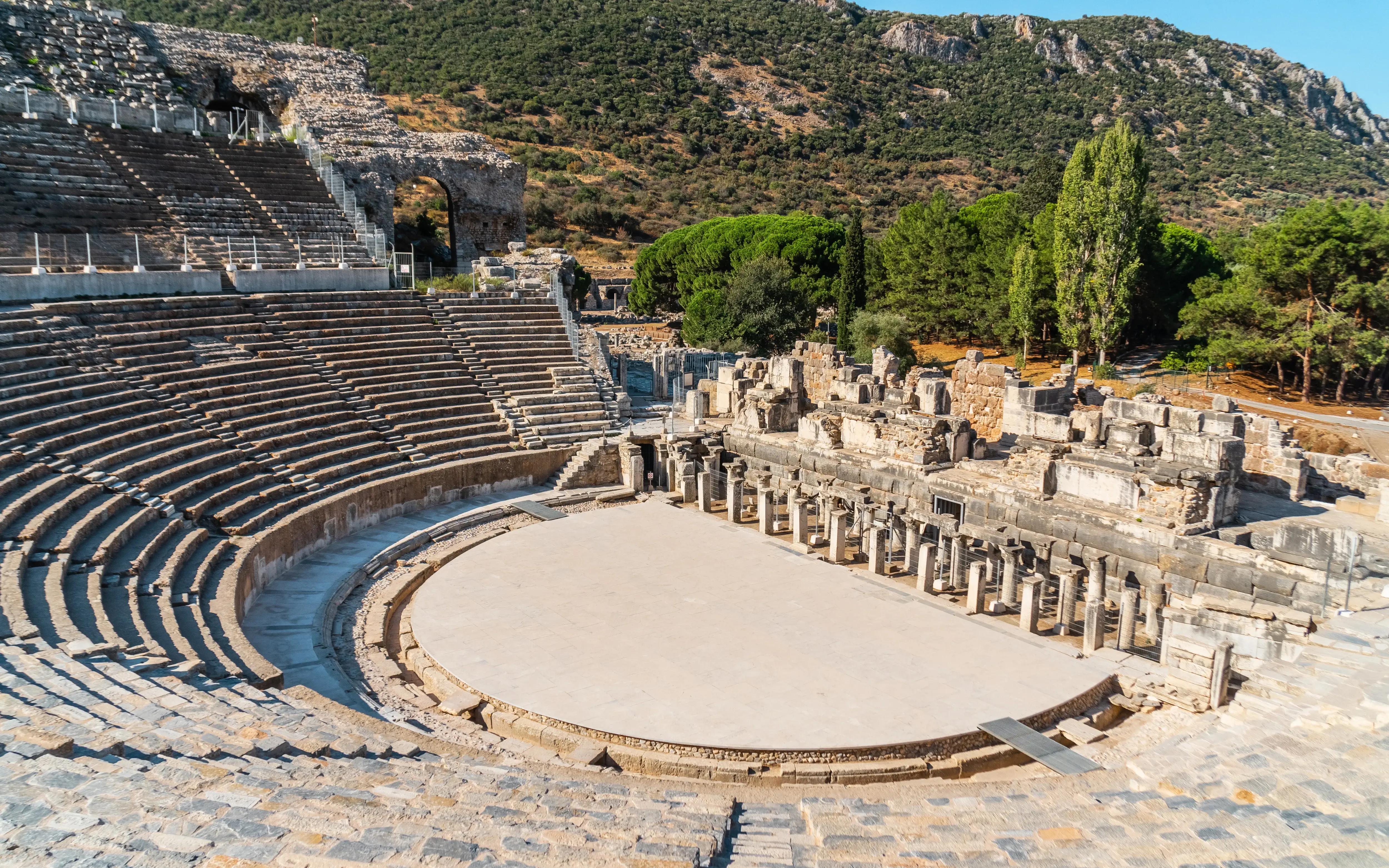
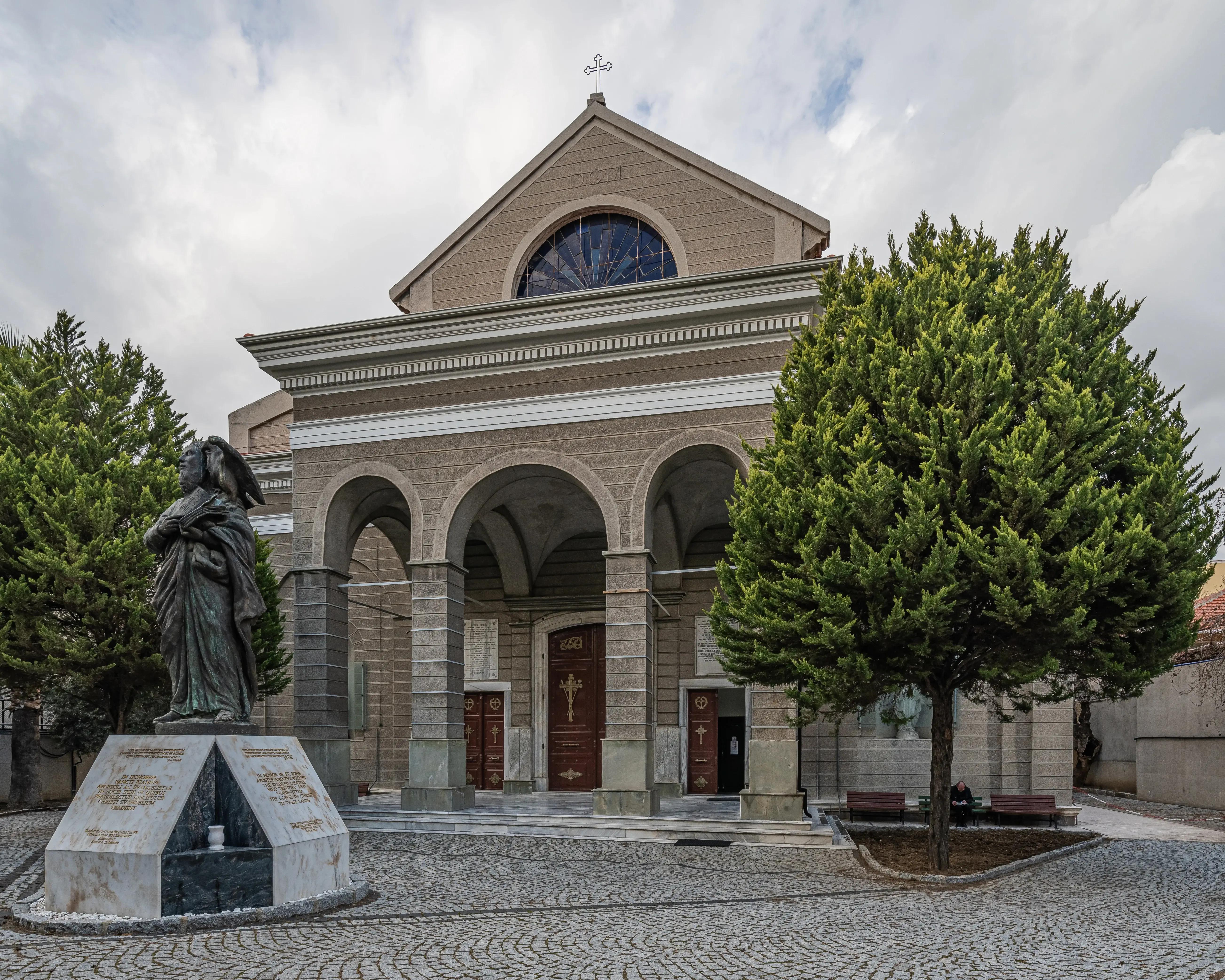
After breakfast visit to Pamukkale, the ‘Cotton Castle’, describing the surreal appearance created by the calcium-rich travertine terraces formed over millennia by mineral-rich thermal waters. The site is home to the ancient city of Hierapolis, where well-preserved ruins, including theaters, temples, and a necropolis, offer insights into the region's ancient history. The theater is the largest necropolis in Anatolia, featuring the Martyrium of Saint Philip, a site honoring the Christian apostle. Next visit of the day is to The basilica of St. John, was constructed during the Byzantine period in the 6th century AD by Emperor Justinian I. It was dedicated to John the Apostle, who is traditionally believed to have been buried there. Departure for Ephesus, an ancient Greek and Roman city of great historical and cultural significance. Once a thriving port city of 250.000 inhabitants, Ephesus was renowned for its status as a center of trade, culture, and religion in the ancient world. The city was home to notable landmarks such as the Library of Celsus, the Great Theater, the Temple of Artemis (one of the Seven Wonders of the Ancient World). Ephesus was also significant in Christian history as it is believed to be the site where Saint Paul preached and where the Gospel of John might have been written. Finally, transfer to the airport in Izmir to take a flight to Istanbul. Transfer to the hotel. Meals: Breakfast
After breakfast, transfer with assistance to the airport to take the departure flight from Istanbul. Meal: Breakfast